
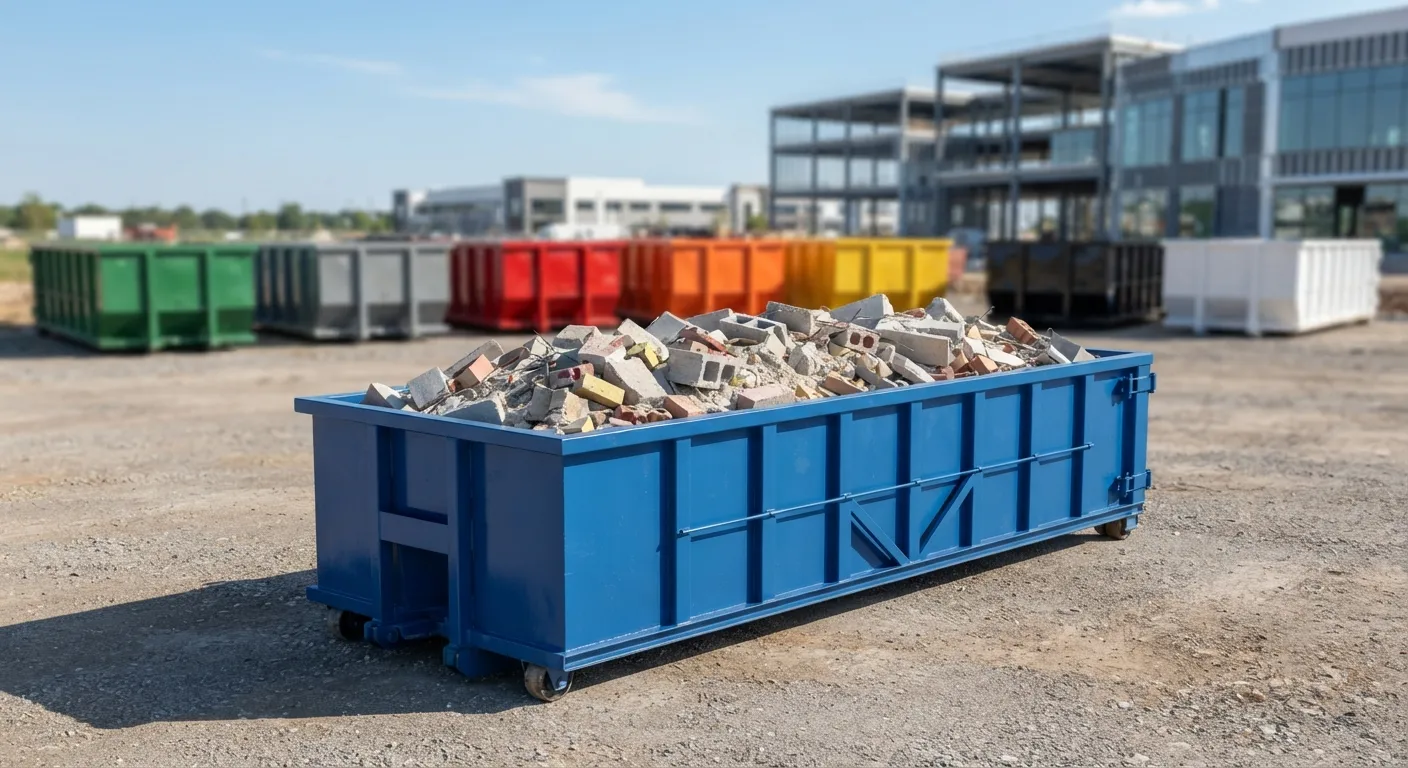
How Many Tons Does a 20 Yard Dumpster Hold?
A 20 yard dumpster rental generally handles about 3 tons of mixed debris. That number moves depending on what's inside. Shingles and concrete weigh far more than framing lumber or drywall scraps, so two jobs filling the same box to the same height can land on very different scales.
People also ask how much does a 20 yard dumpster weigh empty, since that tare weight is what the hauler subtracts to bill the load. An empty steel roll-off in this size class runs a few thousand pounds on its own, and the driver weighs it both ways at the scale. If you're not sure your project fits, the dumpster sizes and dimensions page walks through footprint and height for every size we carry, and our dumpster rental cost page breaks down what pushes a bill past the base rate.
Margate driveways and townhome lots tend to favor the 20 yard for kitchen tearouts and roofing jobs. If you're closer to North Lauderdale, about 3.4 miles south, or Oakland Park, 8.9 miles southeast, we run the same size lineup and the same weight thresholds.
How Many Tons Does a 30 Yard Dumpster Hold?
A 30 yard dumpster rental typically carries about 4 tons before overage charges apply. That's the size most contractors reach for on additions, full roof strip-offs, or a whole-house declutter. Ask how many tons can a 30 yard dumpster hold before you book, because dense material like tile or roofing debris fills the weight limit long before it fills the box visually.
A 30 yard box costs somewhere in the 426 to 778 dollar range for a week's rental, with day rates and monthly terms priced differently, and that's before any weight overage. Check our dumpster rental cost page for the full breakdown by size and term. For heavier commercial teardown work, a construction dumpster rental may need the 40 yard instead, since that size clears roughly 5 to 6 tons.
What Happens If I Go Over the Weight Limit?
You get billed for every ton past your included allowance, on top of the rental price. The hauler weighs the truck at a certified scale both loaded and empty, and the difference is your actual tonnage. This is why knowing how many tons does a 30 yard dumpster hold, or any size you're renting, matters before the first load goes in.
Concrete, dirt, roofing shingles and wet debris are the usual culprits behind an overage bill. A box that looks half full can already be at its ton limit if it's packed with tile or masonry. We flag this at drop-off in Margate so crews load smart from day one. For anything with restricted materials, check what cannot go in a dumpster before you start filling, since some items carry disposal fees regardless of weight. Permit questions for placement in a right of way or on city property still need confirming with the City of Margate; see dumpster permit requirements for what to ask about.
How Do I Avoid Overage Fees on a Roll-Off?
Order the right size for the density of your debris, not just its volume. A 10 yard box full of concrete can weigh more than a 30 yard box full of drywall. Match the container to the material and you'll usually stay under the ton allowance.
Spread heavy debris evenly and keep the load level with the top rail. Don't compact material with a machine just to fit more in, since that packs weight into the same footprint. If you're comparing job sizes, the 10 yard dumpster rental works for small cleanouts, and the 40 yard dumpster rental is built for large-scale demolition where tonnage runs high regardless of care taken.
Delivery access matters too. A roll-off truck needs about 60 feet of straight clearance behind it to set the box down safely, so clear your driveway or curb space before the truck arrives. This holds whether you're in Margate, doing a roll off dumpster rental in Dayton, Ohio, or handling a roll off dumpster rental in San Antonio: the clearance requirement doesn't change with geography, only local rules around placement do.
| size | typical tonnage | week rate |
|---|---|---|
| 10 yard | ~2 tons | see quote |
| 20 yard | ~3 tons | 426-778 range applies to 30 yard |
| 30 yard | ~4 tons | 426 to 778 |
| 40 yard | ~5-6 tons | see quote |
For general debris-clearing rules on active job sites, OSHA 1926.25 requires scrap and debris to be cleared from work areas, and OSHA 1926.252 covers disposal methods including chutes and enclosures. Neither rule sets a weight limit, but both shape how a crew should be staging loads before the roll-off ever gets weighed. Pair your dumpster with temporary fence rental if the site needs a secured perimeter around the container.
How much does a 20 yard dumpster weigh empty?
An empty 20 yard steel roll-off typically weighs a few thousand pounds on its own, and that tare weight gets subtracted from the loaded scale ticket to calculate your billable tonnage. The driver handles both weigh-ins; you don't need a separate scale visit.
How many tons does a 40 yard dumpster hold?
A 40 yard roll-off generally holds about 5 to 6 tons of mixed debris before overage fees apply. It's the largest size in most fleets and suits full demolition or large commercial cleanouts better than smaller boxes.
Do weight limits change by material type?
Yes. Concrete, dirt, shingles and wet debris hit the ton limit fast even in a small box, while lighter material like wood framing or cardboard can fill a large box without approaching the weight cap.
Can I mix debris types in one dumpster?
Usually, but some materials are restricted or billed separately. Check what cannot go in a dumpster before loading, since items like tires, batteries or certain chemicals often carry extra fees or need separate disposal.
How do I know what size I need for my project?
Tell us the job type and estimated debris volume when you call. Our dumpster rental cost and dumpster sizes and dimensions pages help you compare, or request a quote and we'll size it for you directly.
Next step
Get a delivery date
Tell us the address, the dates and the headcount. We size the order and confirm the route.